Producing Cupkeeper locally in Belgium wasn’t always possible. But after several design changes and some hard lessons, we finally made the shift from overseas manufacturing to local production.
The advanatage of local production
I always wanted Cupkeeper to be produced in Belgium.
Local production is better for many reasons. For us, the main advantages are:
- Better quality
- More control of production material
- Which makes it possible to use 100% recycled pp
- Shorter lead times
- Better for the environment
- Supports the local community
Unfortunately, after doing our homework, it just wasn’t feasible at first. An eco-friendly product still needs the right price tag for wide adoption.
Made in China – Where else?
So we started in China instead. A trusted partner made sure we found a reliable producer. It worked well for those initial years, but eventually the downsides started piling up.
The lead times were high – not ideal when the festival season hits and orders need to be fulfilled on a strict deadline. Plus ,that kind of long-distance transport can hardly be called sustainable…
Finally, when we asked our Chinese producer to use recycled material, that turned out to be very difficult. So, eventually we went back to the drawing board.
What made local production possible
In the end, I’m glad these challenges pushed us to reconsider our basic assumptions at the time. We ended up significantly simplifying the assembly of Cupkeeper with some clever changes in the design. We prepared new molds, and redid some of our homework. After everything, it turned we even got our production cost down by moving to Belgium. I was stoked.
Not only do we have a better product with better execution, we also have more control over the production material. We’re able to use fully recycled polypropylene now. And, with everything local – production, assembly and printing – lead times are drastically down, of course.
What used to take months can now be done in a matter of weeks. Sometimes less, given we have an easier time managing our stock. Now we can go straight from our assembly to printing and from there straight to our customers.
Giving back to the community
While local production is an obvious service to the local economy, there’s another advantage. By keeping production close, we can choose our partners more carefully.
All production is in Limburg: injection molding, printing, and assembly. Printing is done by a social enterprise. Assembly happens in the Hasselt prison and in the De Keiberg employment center in Mierelbeke, giving people real work experience as they retCupkeeper Production: Why We Moved Manufacturing to Belgiumurn to the labor market after long illness or burnout.
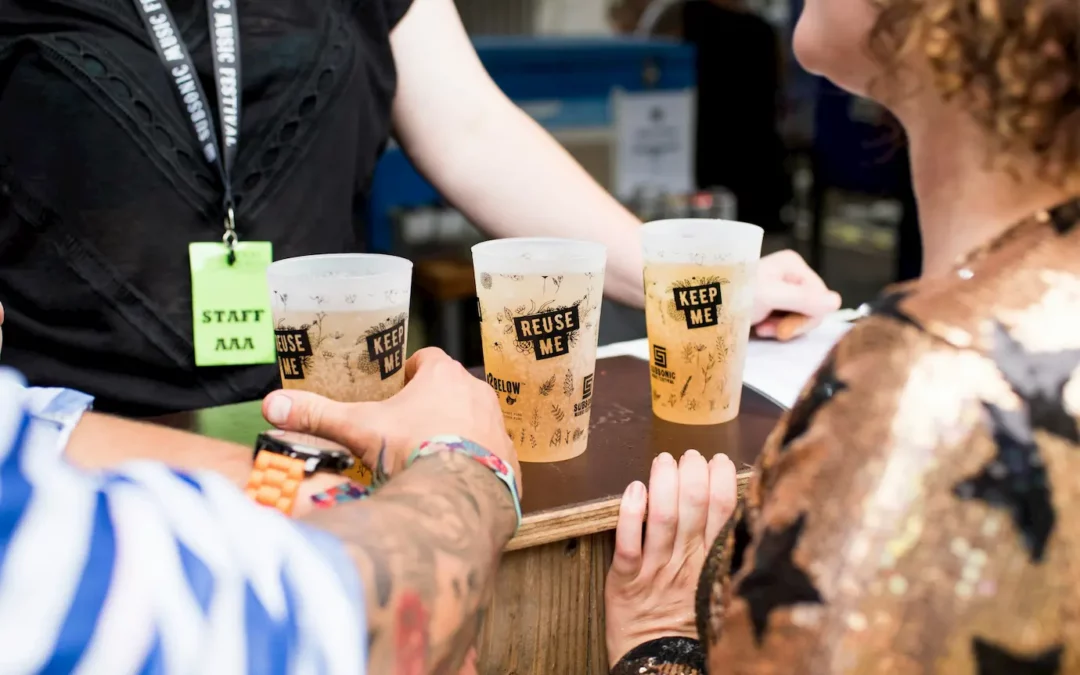
Many of them enjoy knowing they are contributing to a sustainable solution that ends up at well-known European festivals.